Past Experiences: The brain does not necessarily begin with the day. It holds the imprint of all that you have undergone family relationships, school, praise or criticism, financial pressures, loss, trauma, recurring interactions in the real day-to-day life.
In the long run, these experiences form the way of thinking, the automatic interpretations of situations, the automatic judgments of risk, your automatic response to situations and your self-perception.
Certain thought processes can enable you to live and be successful. Others restrict you, cause stress or hold you in a state of fear-related responses. The main point is that ways of thinking are studied, and things that are studied could be altered.
What Are Thinking Patterns
Thinking patterns refer to mental routines in which your brain can use to make a fast processing of data. They form due to brain construction which conserves energy and is an efficient responder. These patterns influence:
- Your explanation of success and failure.
- Your expectations of other people.
- Easy trusting, or guarded.
- How you handle uncertainty
- The intensity of emotion to make your choices.
Majority of the thinking patterns are automatic. They can be very elusive to you except when they make you uncomfortable or conflict with you.
The Role played by the past experiences to the brain

Plasticity Of the Brain And Learning
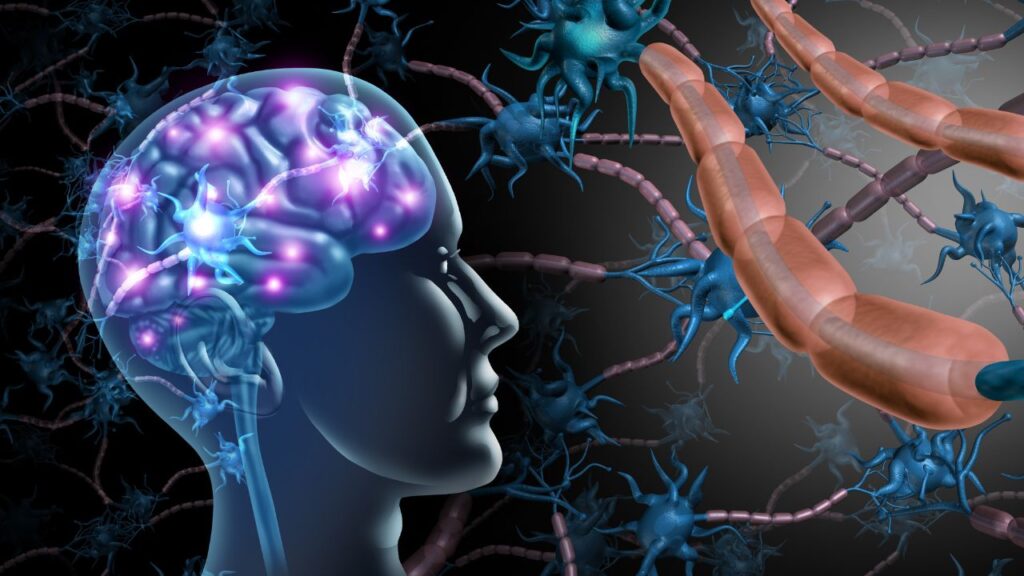
The brain of a human being is very flexible. This is called brain plasticity which enables the neural connections to be strengthened or weakened depending on repeated experiences.
Once an situation occurs repeatedly, the brain takes on the assumption that it is significant and the brain develops quicker pathways surrounding it.
For example:
- Confidence based thinking is enhanced by repeated encouragement.
- Criticism when repeated empowers self-doubt.
- Threat thinking is enhanced by repeated danger.
This is a way that this process makes human beings live, yet it does lead to people being stuck in old ways of thinking.
Stress Alters The Stressing Brain Interpretations
In case stress turns chronic then the brain becomes more protective than exploratory. The focus on possible danger comes besides, and even neutral scenarios can be unsafe.
In the long-run, this type of stress-based learning will determine long-term styles of thinking, including a chronic worry, irritability, or being emotionally numb.
The Ease with which Childhood Experiences Can make a difference
Childhood is a developmental stage of the brain. In the early development stage, the brain is taught what is normal, safe, and expected. The experiences that one undergoes at this age have a great impact on how the individual thinks in future.
Childhood Trauma (ACEs)
Despite the numerous definitions of adverse childhood experiences (ACEs), the following exposure can be included: abuse, neglect, family instability, substance abuse, or chronic conflict experienced before the age of 18.
Observations in large population ACEs are prevalent and regularly cumulative such that many individuals may have numerous disorders.
The greater the number of ACEs, the higher the chances of the stress-related consequences in the long term. This is referred to as dose response relationship whereby the higher the exposure the higher the effect.
The effects of child stress on thinking in their adult years
Childhood adversity does not only have emotional impacts, but also transformations in thinking modes that might continue to impact into adulthood.
Individuals that have been exposed to early stress tend to demonstrate:
- Increased physical receptiveness to criticism.
- Strong fear of rejection
- Difficulty trusting others
- Excessive worry or rumination.
- Negative self-beliefs
These are not individual product shortcomings. They are acquired survival behaviors.
Unpretentious Numbers That Present The Impact Size
The data on the level of population demonstrates that early experiences affect the lifelong results:
- Most adults lay claim to one or more negative childhood events in their lives.
- Persons who are experiencing several ACEs have much greater levels of depression.
- Exposure to stress over a long period of time has been associated with increased incidence of heart disease, obesity, and poor educational achievement.
- Millions of cases of mental health trafficking in adults might be minimized by prevention of early challenge.
These characters reveal the intensity of the influence of early-learning on the long-term operating system of the brain.
Familiar Mental Processes Placed into the Profile by the Pre-existing Experiences
1. Threat-First Thinking
Individuals brought up in uncertainty or unsafe situations could find themselves having threats-first-thinking such that the brain scans the environment all the time, in search of danger. Even the peaceful cases can be tense.
This can appear as:
- Overthinking conversations
- Assuming negative intent
- Difficulty relaxing
2. Rejection Sensitivity
When one is subjected to emotional neglect or abandonment repeatedly, the brain can be conditioned to anticipate it. Even minor gestures, such as the delayed response, or even, indifferent faces, can cause strong emotional responses.
3. Learned Helplessness
Where there is no results of efforts with time, the brain might become trained that it is worthless to act. This may result in motivation, pessimism and passivity.
4. Perfectionism And Familiarity of Loss.
The impression of requiring performance to be good in order to be approved at all is formed by conditional approval in childhood. Uncertainty about mistakes is threatening which results in anxiety, procrastination, or burnout.
5. Scarcity Thinking
The experience of growing up in financial instability frequently creates scarcity thinking, which is a constant preoccupation with lack, the threat of loss and the inability to actually experience a sense of security despite increase in resources.
Previous Training And Attainment Thinking Pattern
| Past Experience | Brain Learned Message | Thinking Pattern | Compromised Outcome |
|---|---|---|---|
| Common Anxiety, fatigue | Emotional neglected Stay alert Upbringing Pattern | Hypervigilance Burnout Pattern | Trauma exposure |
| My needs are not important | Upbringing patterns | Normal pattern of stress | Higher mental health risk |
| Rigid coping patterns |
Why Human Beings react differently to similar experiences
Similar events can make two people live and acquire various ways of thinking. This variation depends on:
- Availability of positive role models.
- Stress validation Emotion.
- Genetics and temperament
- Community and cultural forces.
- Availability of security, treatment and stability.
Possible advantages exist in the protective experiences potentially softening the blow of adversity, and isolation which may increase it.
Are Thinking Patterns Subject to Change?
Yes. The brain is able to develop new circuits during life due to the fact that it has neuroplasticity. Change does not occur in a flash of revelation; it should be cyclical and consistent.
Helpful approaches include:
- Reframing of thoughts to refute automatic thoughts.
- Safe past experience processing therapy.
- Awareness to improve emotional non-reactivity.
- Regular practices that do not make the nervous system hyper aroused.
- Relationships that support and go against the previous beliefs.
The present does not make the past disappear. It makes the brain know that the present is safer and more adaptive than it used to be.
Why Awareness Is Powerful
When you learn that thinking patterns are learning based rather than limitation based, then in your reaction, you can react with curiosity rather than self judgment. Awareness creates choice. You are able to stop, consider, and act rather than act on impulse.
Expired experiences influence the way one reason or thinks given that the brain learns through repetition particularly when stressed.
Childhood trauma, sustained stress, and emotional conditions condition the brain to perceive the world in a certain manner – usually to protect oneself. On a mass scale, it has been observed that these acquired patterns affect mental health, physical health, and life even in adulthood.
The positive fact is that ways of thinking are not inherent qualities. The brain using awareness, support, and practice can eventually update its old belief system and create new improved more balanced ways of thinking.