
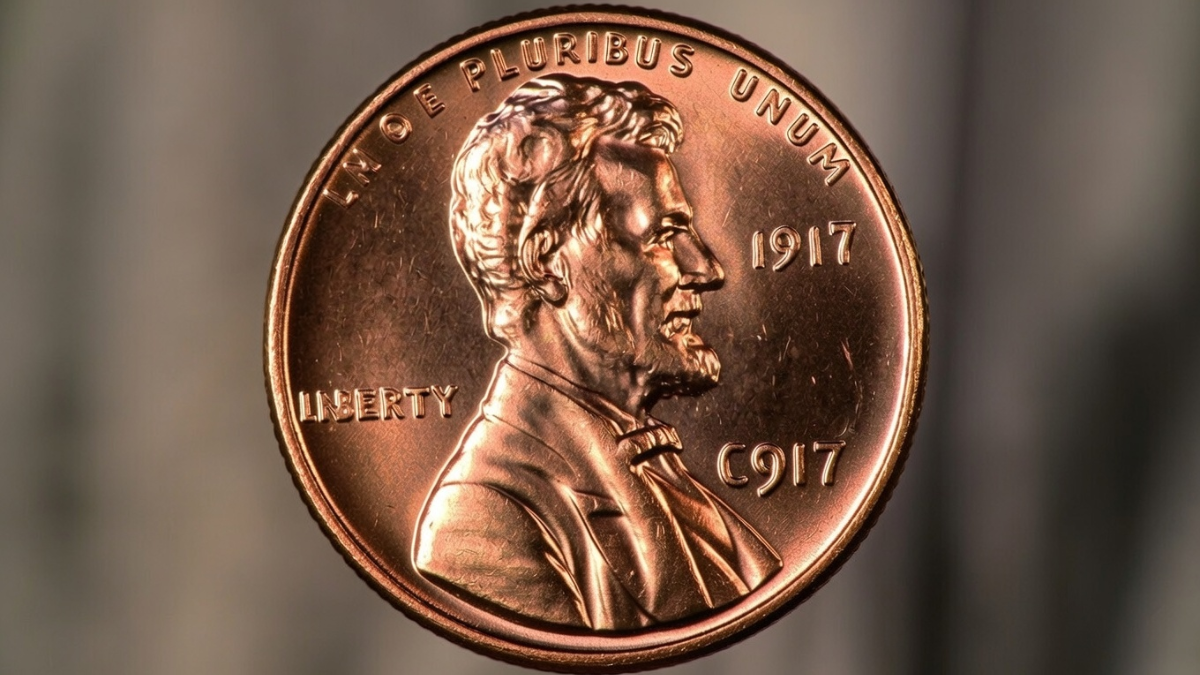
Can a tiny flaw on an old penny really change your life? Surprisingly, yes. A rare Die Crack Lincoln Wheat Penny has fetched an astonishing $575,000, proving that even small minting mistakes can create massive value. What’s more exciting is that similar coins may still be hiding in everyday change.
Let’s break down what makes this error so special, why collectors pay huge sums for it, and how you can spot one yourself.
Also Read
What Is a Die Crack in Coin Collecting?
In coin production, metal dies are used to strike designs onto blank coins. Over time, these dies experience stress and begin to crack. When coins are struck using a damaged die, the cracks transfer onto the coin as raised lines, not scratches.
These lines are part of the coin’s design due to the faulty die, making them true mint errors. Depending on their shape and size, collectors may refer to them as Lightning Errors or Cud Errors.
Most die cracks are small and common, but large or dramatic ones are rare—and those are the coins that attract serious money.
The Die Crack Wheat Penny That Sold for $575,000
One standout Lincoln Wheat Penny shocked the numismatic world when it sold for $575,000. This particular coin displayed a huge, clearly visible die crack stretching across the surface, instantly setting it apart from ordinary pennies.
What made it especially valuable was:
- The size and uniqueness of the die crack
- Its historical age as a Wheat Penny
- Its excellent overall condition
Errors of this magnitude rarely escape quality checks, which is why collectors consider such finds extraordinary.
How to Identify a Die Crack Penny?
Think you might have a valuable error coin? Here’s what to look for:
- Raised, uneven lines running across the coin
- Cracks that appear curved or lightning-like
- Extra metal buildup, especially near letters or edges
- A raised metal lump along the rim (called a cud)
Always examine both sides under good lighting. Using a magnifying glass or smartphone zoom can help reveal fine details. If something looks unusual and raised—not engraved—it may be worth professional evaluation.
Why Die Crack Error Coins Are So Valuable?
Not every die crack creates a fortune, but coins with large, eye-catching errors are extremely desirable. Since U.S. mints aim for flawless production, obvious mistakes are uncommon—especially in older coins like the Wheat Penny.
Collectors value these coins because:
- Each error is unique
- They represent a moment in minting history
- Large errors dramatically change the coin’s appearance
That rarity and individuality drive prices sky-high.
A Die Crack Lincoln Wheat Penny may look damaged at first glance, but to collectors, it could be a hidden treasure. With one example selling for $575,000, it’s clear that minting errors can transform an ordinary penny into a life-changing discovery.
If you have old pennies stored away, now is the perfect time to inspect them closely. That strange raised line might not be damage—it could be your lucky break.
FAQs
Are all die crack pennies valuable?
No. Small, common die cracks usually have little value. Large, dramatic, or rare cracks are the ones collectors seek.
Can die crack pennies still be found in circulation?
Yes. While rare, some error pennies remain undiscovered and can still appear in everyday pocket change.
What should I do if I find a suspected die crack penny?
Avoid cleaning it and consult a professional coin dealer or grading service for authentication.