

Virtually everything we do leaves a data trace in today’s digital world. This has made data protection one of the most significant problems in today’s Internet age.
From queries on Google, to liking and sharing on social media, to shopping online or using mobile apps, it is second nature for us to broadcast the most sensitive personal information — often without even realizing we’ve spilled so much digital ink.
Also Read


Guarding people’s personal data is not only a matter of technology or the law. It is a matter of privacy, trust, safety and control over your life.
This article helps clarify in easy-to-understand language, why caring about privacy and protecting personal data really matters online; how personal data is being used and misused; the hazards of poor protection — including exposure to unwanted advertising and an increased vulnerability to hacking, spamming and even identity theft — and what we all (individuals, businesses and schools) need to do when it comes to staying safe.
What Is Personal Data?
Personal information means any information that may be used to identify you, including but not limited to: first and last name; do and home address; email address or other contact information. This includes:
Examples of Personal Data
| Type of Personal Data |
|---|
| Your name, address, telephone number and email |
| Date of birth, sex or nationality |
| Any credentials for logging in, such as usernames and passwords |
| Financial information such as your bank account or credit card number |
| Location information, IP address and device information |
| Photos, videos, and voice recordings |
| Online conduct including search history, click actions and preferences |
Even seemingly innocuous bits of data can become potentially risky when combined with other types.
What Is Personal Data Protection?
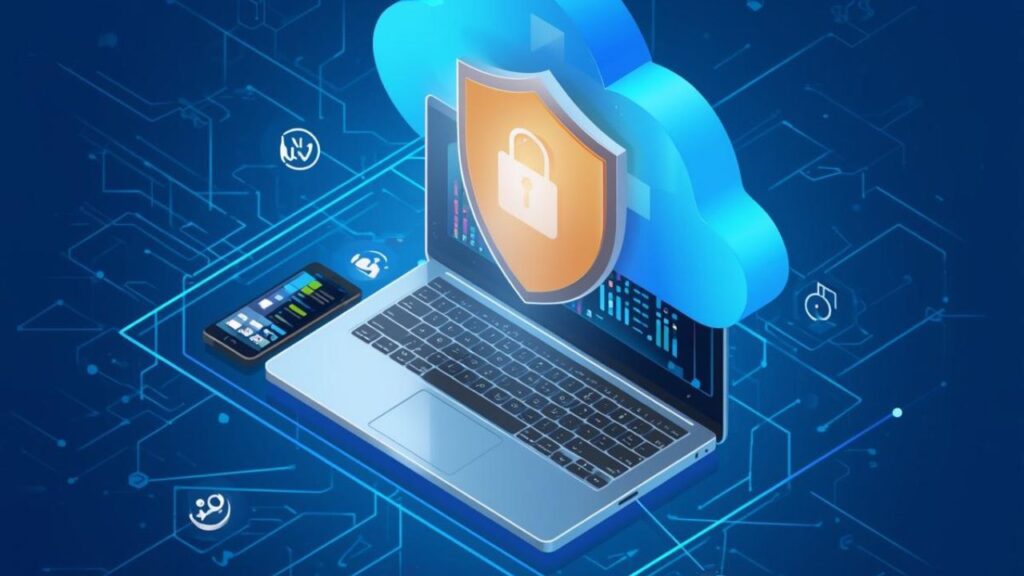
When we talk about protecting our personal data, we’re talking about keeping your information safe from being misused, stolen, accessed without authorization, or otherwise taken advantage of. It involves:
Core Principles of Personal Data Protection
| Data Protection Practice |
|---|
| Collecting only necessary data |
| Storing data securely |
| Using data responsibly and transparently |
| Granting users the ability to manage their data’s fate |
Proper data protection means your information is not treated as something to be exploited, sold without permission or stolen by cybercriminals.
The Stark Difference Between Silicon Valley and Europe on Data
Why Our Personal Data Is Important to Us: Because That’s Where the Power Is
Protects Your Privacy
Information is a human right as well. If your personal data is not secure, neither is your private life. And companies, advertisers or even strangers can track:
- What you search for
- Where you go
- What you buy
- Who you interact with
Without responsible data protection, you relinquish control of your private space on the internet.
Prevents Identity Theft and Fraud
One of the most commoditized risks associated with lackluster data security is identity theft. There are a number of ways that cybercriminals can use stolen data:
Identity Theft Risks
| Misuse of Stolen Data |
|---|
| Open accounts with your name at banks |
| Request a loan or credit card become a customer |
| Make online purchases |
| Falsely commit crimes using your identity |
It can take months, even years to recover from Identity Theft and the financial and emotional trauma it causes.
Keeps Your Money Safe
Online payments, e-wallets and banking apps are convenient — but dangerous if data is not secured. Weak security can lead to:
- Stolen card details
- Unauthorized transactions
- Empty bank accounts
Robust data protection systems can help reduce financial losses and online scams.
Stops Data Misuse and Exploitation
Many companies gather data for the purpose of enhancing services, but some abuse it. Without protection:
- Your information can be sold to third parties
- Manipulative ads might be used against you
- The way that you think and act can be judged as “unfair”
At the worst extremes, data misuse can change elections, sway public opinion or influence social behaviors.
Protects Children and Vulnerable Users
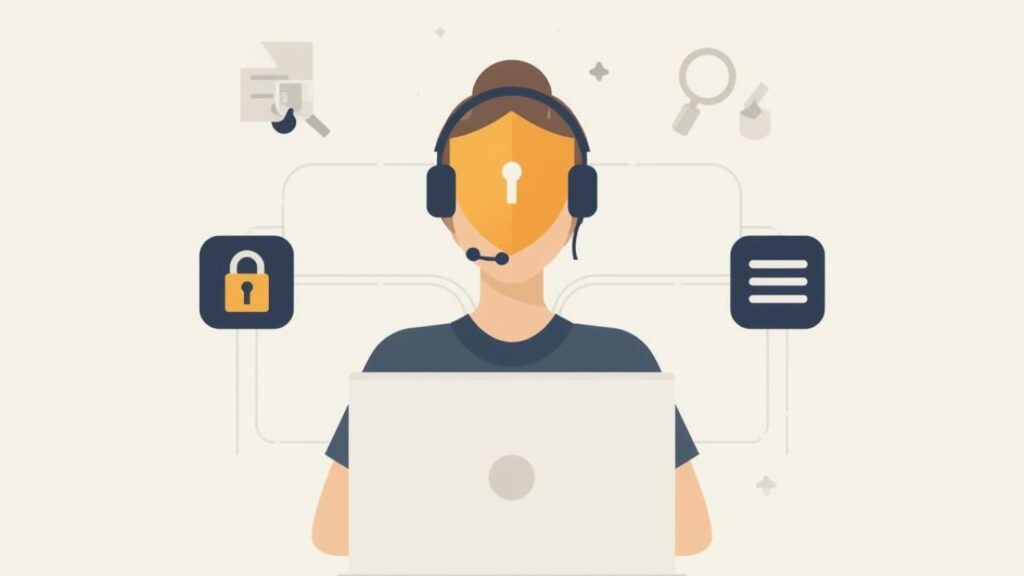
Children routinely use apps, games and learning platforms without being aware of potential privacy risks. Inadequate data security may put them at risk of:
- Unsafe content
- Online predators
- Data tracking without parental consent
Protecting one’s personal data is crucial to also ensuring that children and other vulnerable users are kept safe online.
Establishes Trust in Websites and Apps
If a site explains what it does and doesn’t do with data in clear terms, users feel safer. Strong data protection:
- Builds user trust
- Encourages long-term engagement
- Improves brand reputation
Then again, data leaks can cause irreparable damage to a company’s reputation.
Minimizes the Risk of Data Breaches
A data breach occurs when private information is exposed — either by hacking or by poor security that allows the information to be seen by those who should not have access. Good data protection:
Data Breach Prevention Measures
| Protection Method |
|---|
| Adds limitation to how much data can be in on the disk |
| Encrypts sensitive information |
| If a leak does happen, it will cause less damage |
Organisations, if they are looking after the data properly, can respond quicker and protect their users better.
Typical Methods of Collecting Personal Information on the Internet
Most people do not realize how frequently they broadcast data. Common sources include:
Common Data Collection Sources
| Source |
|---|
| Website forms and sign-ups |
| Cookies and tracking tools |
| Social media profiles |
| Mobile apps permissions |
| Online surveys and quizzes |
| Email subscriptions |
Knowing these sources helps people make better privacy choices.
What Happens When Data Is Not Secured?
The consequences of bad data handling can be severe:
- Financial loss due to fraud
- Emotional stress and anxiety
- Reputation damage to personalities and companies
- Legal penalties for organizations
- User trust and traffic loss
Personal data once leaked on the web is often impossible to fully erase.
Role of Data Protection Laws
Laws have been implemented in many nations to safeguard personal information. These laws aim to:
- Secure the users’ right to know what their data is used for
- Require consent before collecting data
- Let users read or delete their data
- Punish organizations that misuse data
Laws like these do help, but the most powerful defense is still individual awareness.
What Individuals Can Do to Protect Personal Data Online
Simple, powerful actions that any one of us can take:
Use Strong Passwords
- Have distinct passwords on every account
- Don get names of popular animals or references to your life parties), and don use personal details
- Get a password manager where you can
Enable Two-Factor Authentication
This goes one step beyond passwords.
Be Careful With Permissions
- Don’t grant apps more access than they really need
- Review app permissions regularly
Avoid Suspicious Links and Emails
Personal data is often tricked out of people via fake messages.
Use Secure Websites
Seek out HTTPS and trusted platforms, before you type in your sensitive data.
Limit What You Share Online
Before posting personal details on social media, think.
How to Keep User Data Safe at Any Business
“Entities that have access to this kind of user data need to behave responsibly, they need to respect the user’s privacy,” Smith said.
Responsible Business Practices
| Best Practice |
|---|
| Collecting only essential information |
| Storing data securely using encryption |
| Updating security systems regularly |
| Being transparent through privacy policies |
| Responding quickly to security threats |
Responsible data management is not only a legal obligation—it’s an ethical one.
The Future of Protecting Our Personal Data
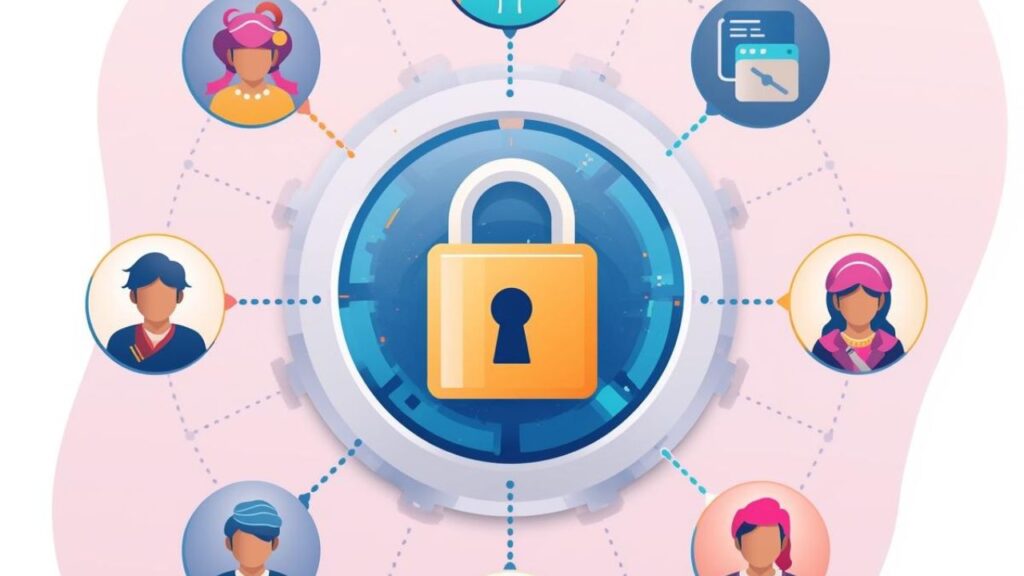
With the advancement of technology, data becomes increasingly vulnerable. Data protection becomes more complex with AI, smart devices and digital tracking. In the future:
- Users will demand more transparency
- Privacy-focused platforms will grow
- More robust security measure will be required
Protecting personal data will continue to be fundamental to life in the digital age.
Why is online privacy important?
Personal data protection online matters because it safeguards your freedom, identity, money and privacy. In the age of constant data collection, retention, and analysis, protection of personal information is a not found— it’s a must.
It’s the responsibility of both individuals and entities. Both users need to remain aware and weary, and companies need to operate honestly and soundly.
As long as personal data is respected and safeguarded, the internet will be a safer and more trusted place for all.
FAQs
Why is knowing how to protect your personal data important for people?
Personal data privacy is useful in deterring identity theft, financial fraud, and private or personal information abuse.
What are some of the greatest dangers in putting our personal information online?
Primary concerns are breaches of data, scams and identity theft as well as the unwelcome tracking and misuse by other parties.
What are some way to increase safety of my personal data online?
And you can bolster your safety by using strong passwords, turning on two-factor authentication, avoiding sketchy links and not sharing everything about yourself online.