Difference Between Legitimate And Fake Websites: Today, living without the internet is an unimaginable idea. Today, we shop online, read news, look for work, handle our money and book travel through the web. As much as the web makes life easier, it’s also a breeding ground for fraud and deception.
Fake websites are increasing rapidly. There are plenty that at first glance, appear professional, well-designed and trustworthy. By drawing from the look of genuine businesses, government portals, banks or famous brands. Due to this, even the most experienced users can become prey of scams.
Being able to distinguish between authentic and phony websites is one of the greatest digital safety skills anyone can learn today. One mistake can result in compromised personal data, financial ruin, identity theft or malware infestations.
This comprehensive article exposes how real websites function, and also how scam sites work, and that means you will know what red flags to watch out for before putting any confidence in a website. You are about to find out exactly what you should look for and how to keep safe on the web.
What Is a Legitimate Website
An authentic website is a real website designed by a real group of people, organization or person. These sites are legal, accurate and respectful of users’ privacy.
Real websites serve a real purpose or give real services. Their primary objective is to establish credibility and trust with the users in the long term.
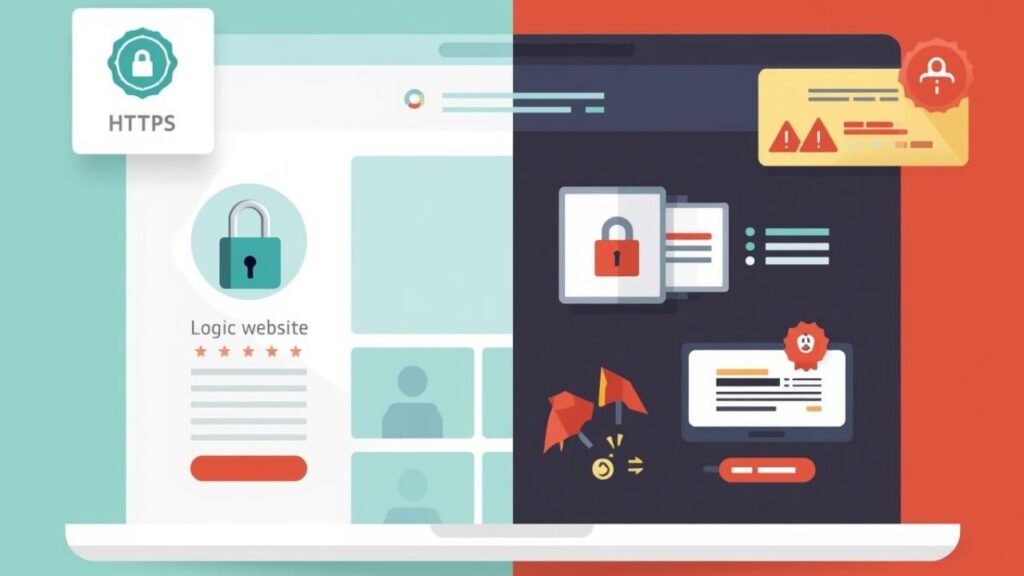
Key Characteristics of Legitimate Websites
If that doesn’t happen — if the site doesn’t clearly indicate who owns it — you may want to think twice about sharing your information. You can get details here on who runs a site, how to contact someone about the site and what services are available.
They also use typical security measures, including encrypting user data and securing payment information. Reputable web sites have clear policies outlining the collection and use of data.
But most importantly, reputable sites do not force you to hurry with the decision and they don’t require extra personal information.
What Is a Fake Website
That’s not the website you’re looking for: A fake site is developed to trick users. These performing scam websites are also built to make money, harvest personal information, steal login details or distribute malware.
Bogus websites often mimic respected brands, official government services, banks and online stores. Instead, they rely on urgency, fear or excitement to induce their victims.
Unlike real sites, fake ones typically close down soon after they succeed. It isn’t easy for victims to recover any losses or report the scammers.
Why Fake Websites Are Increasing
Fake websites continue to proliferate in part because building a website is cheap and easy. It only takes a few hours to create the most basic website using these tools.
Con artists also leverage social media, messaging apps and online ads to proliferate links of fake sites in fast and loose ways.
Most users do not know anything about simple verification procedures on the website. This is what makes rogue sites so effective, particularly when they inspire feelings of fear, greed or urgency.
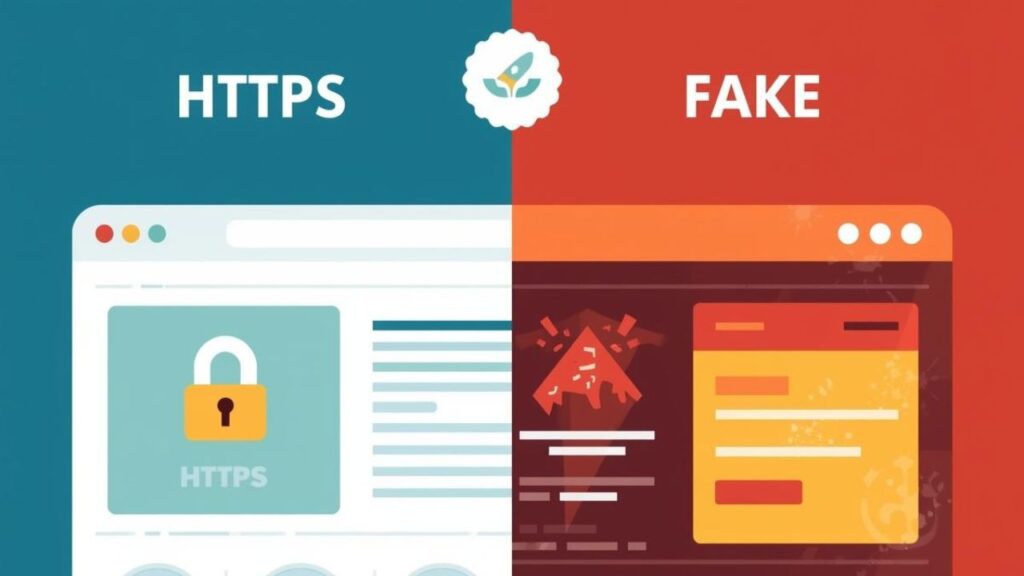
Primary Differences Between Genuine and False Websites
Here are a few key indicators you can look for to distinguish between real and fake sites.
Website Ownership and Transparency
Reputable sites have ownership information clearly shown. This could be a business name, address, email or phone number.
Spam websites frequently omit information about their owners or provide fraudulent contact information. Sometimes, there is only a contact form with no obvious means to connect in real life.
Transparency is Rule No. 1 when it comes to identifying a genuine website.
Website Domain and URL Structure
Reputable sites will use straightforward and professional domain names. The domain name is generally the same as your brand or company name.
Scam websites often incorporate misspelled domain names, added characters or misleading words to deceive its users. They might sprinkle in “offer,” “secure” or “verify” with such language to sound more desirable.
One of the easiest ways to determine a fake website while you are on it is to look closely at the URL.
Website Security Features
If a pornographic website uses encryption to keep your information safe. That means that information you type into the site is encrypted.
Unfake sites have the appropriate level of security, and/or an up to date certificate. Some bogus sites display security icons, but they don’t actually safeguard users’ information.
Security is not sufficient as a guarantee for legitimacy, but the absence of security certainly sounds a warning.
Content Quality and Accuracy
Real websites have well written, correct, and updated info. The writing is of professional quality, and largely free from significant errors.
There are spelling errors, incorrect grammar and copied text on many of the fake websites. They can be hyperbolic or make promises that are not based in reality.
Quality content indeed reflects the objective of a website.
Payment and Personal Information Requests
“Reputable sites request only the data that is required to fulfill their service. The payment options are safe and widely known.
Phony sites frequently ask for sensitive information up front. They can demand complete personal data, banking details or obscure payment systems.
Customers should take caution with any website that requires an immediate payment or sensitive information.
Real vs Faux Sites
Paste this directly into a WordPress “Table” block
| Feature | Legitimate Website | Fake Website |
|---|---|---|
| Ownership details | Clearly visible | Hidden or fake |
| Domain name | Professional and clean | Misspelled or misleading |
| Security | Proper encryption | Weak or missing |
| Content quality | Accurate and updated | Poor or copied |
| Contact information | Real and verifiable | Missing or false |
| Payment methods | Secure and standard | Unusual or risky |
| User trust | Built over time | Short-term deception |
Common Types of Fake Websites
Fake sites come in all shapes and sizes. Knowing about this stuff makes you spot scams sooner.
Phishing Websites
Phishing sites pose as otherwise legitimate services such as banks and email providers and on social media. They are meant to harvest login credentials.
These websites typically send fake alerts alleging account issues that the user needs to address immediately.
Fake Online Shopping Websites
On fake shopping sites, products are priced extremely low. However on payment the product is never delivered.
Those websites will frequently go away soon after.
Impersonation Websites
The impersonation websites are mimics of the design and brand of real companies or departments. The idea is to build trust with users and gather data.
They can look very similar to authentic sites.
Malware Distribution Websites
Some phony websites are designed solely to distribute malicious software. If you visit such sites, your device can be infected without your realizing.
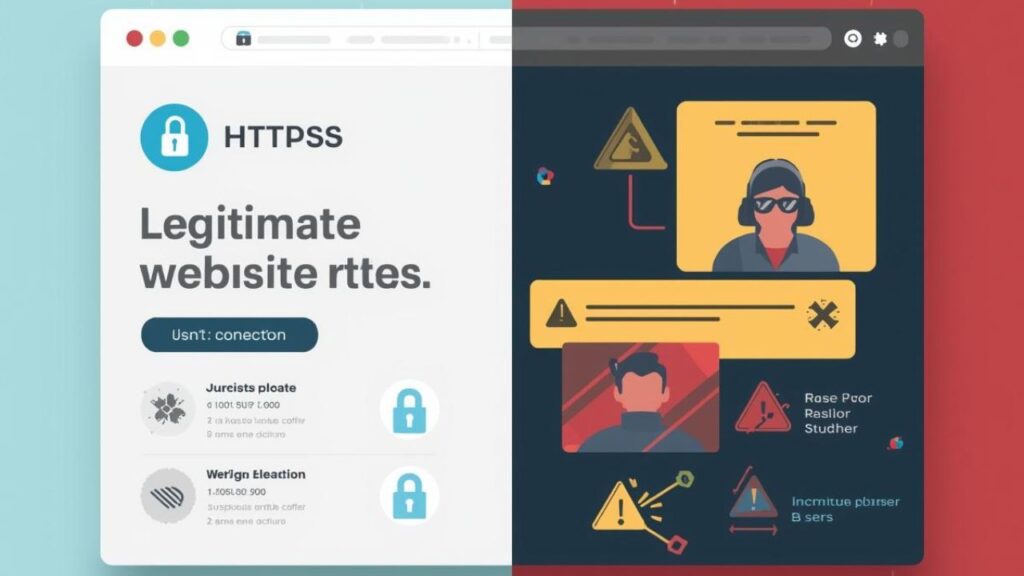
Warning Signs of Fake Websites
There are a number of red flags to keep your eyes open for that may warn you the site is counterfeit.
Messages can often be urgent and require an immediate action. Fear bait and excitement are the common tactics employed by fake websites to push users.
Red flags include over-the-top offers that guarantee a win, a super discount or a travelers check.
Websites that lack contact details, privacy information and clear explanations should be treated with suspicion.
How to Determine If a Website Is Legitimate
Checking a website before trusting it can prevent you from winding up in some deep water.
Thoroughly check the domain name and identify spelling errors.
Look for independent references from the website like reviews.
Seek out clear policies that detail how the website functions and deals with data.
Pause and check out the website rather than click too fast.
Why Website Trust Is Important
Trust is the cornerstone of online transactions. Reputable sites put in work and time to gain a user’s trust.
No trust: Fake websites and damage. This is why it’s so important that I teach you how to separate bogus video site from real ones.
Reputable sites are good for users, businesses and the web in general.
Effects of Counterfeit Websites on Consumers
Fraudulent sites bring problems of time, nerves and money losses as well as privacy intrusions. For every victim, a single mistake can lead to months of trying to correct the mess created.
But when people learn about the risks, they tend to make better online choices.
How Are Fake Websites Viewed by Search Engines?
Search engines strive to protect their users by fighting spam results and fake websites. Sites that mislead users are punished / removed from search results.
And honest sites with transparent practices get put into the limelight.
How Businesses Protect Their Websites From Theft
Serious businesses put money into branding, security and legal defense. Yet scammers continue to attempt to replicate legitimate websites.
It is up to the users – journalism’s lifeline, don’t forget — to confirm websites before treating them as trustworthy.
Actions Users Can Take to Protect Themselves Online
Always double-check website URLs.
Never send intimate information without confirmation.
Avoid clicking on suspicious links.
Strong passwords and up-to-date software are strongly recommended.
Staying vigilant is your best protection.
Knowledge Is Your Protection Gang’s Best Weapon
Learning to discern fact and fiction from websites is a crucial skill in today’s Internet-driven world. Fake sites are getting slicker, but they’re still powered by the same bogus promises and cluttered with I-can’t-believe-I-fell-for-that come-ons.
THE FACTS Rightly designed sites prioritize trust, security and straightforwardness. Owners’ information, content quality, domain structure and security mechanisms are the key criteria to help you avoid a scam.
Spending a few more seconds to verify a site can save significant financial and personal pain. You’ve got two of the most powerful weapons to protect yourself online: awareness and caution.